
.svg)

Supplier and portfolio emissions data an auditor can follow
DitchCarbon provides verified emissions data for over 2 million organisations, so procurement, sustainability and finance teams can measure and act on supply chain and portfolio emissions from one source.
What data does DitchCarbon actually hold?
Three layers, and every figure on the platform comes from one of them.


Each organisation records which of the four methods produced its figure, and industry data is fourth of four, used only where the first three could not be found. The share of your baseline still resting on a generic factor is a number you can filter for, not a claim you have to take on trust.
See the data on a real company
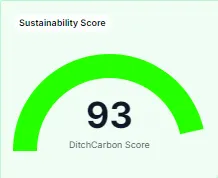
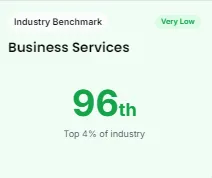
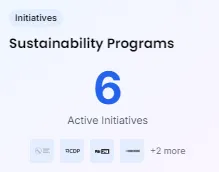
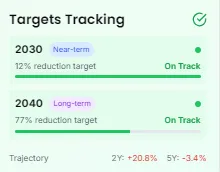
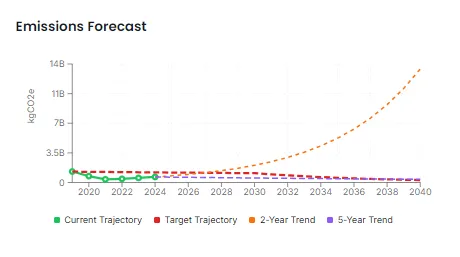
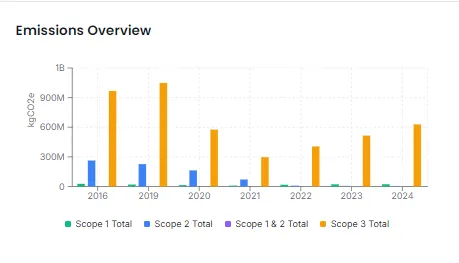
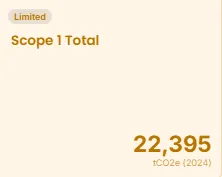
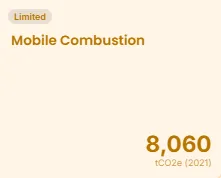
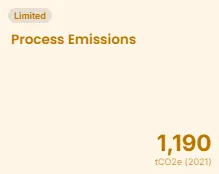
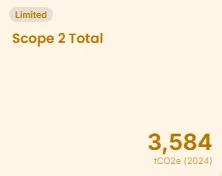
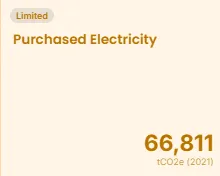
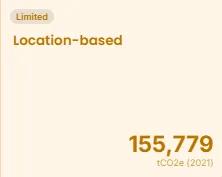
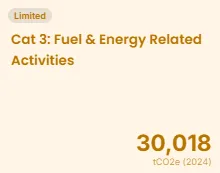
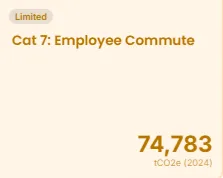
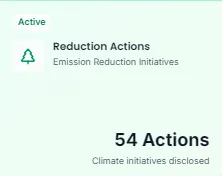
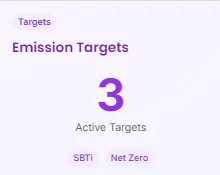
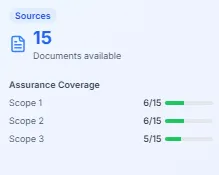
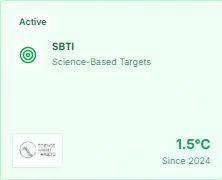
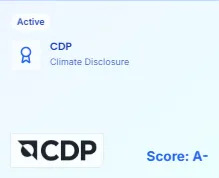
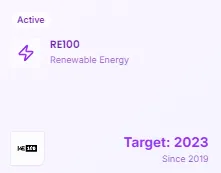
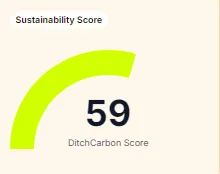
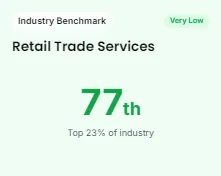
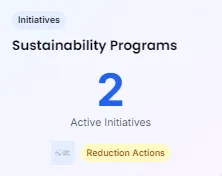
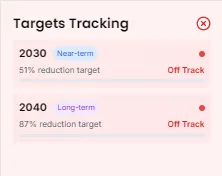
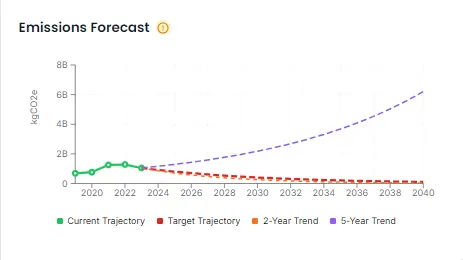
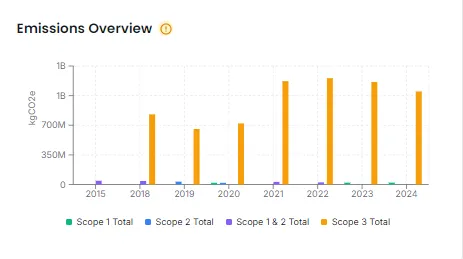
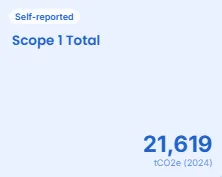
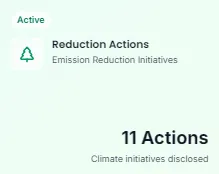
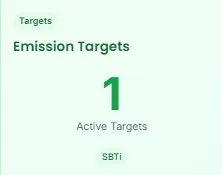
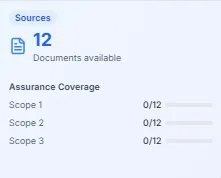
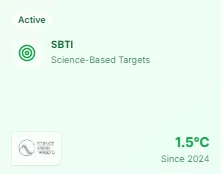
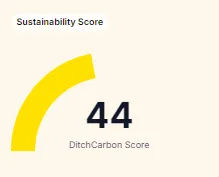
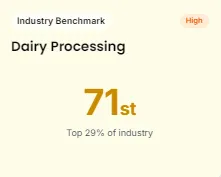
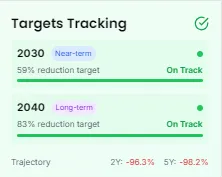
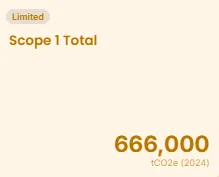
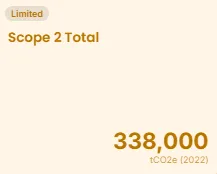
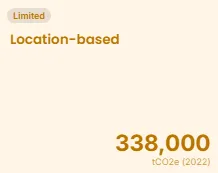
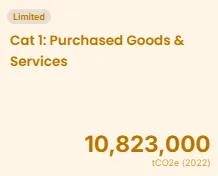
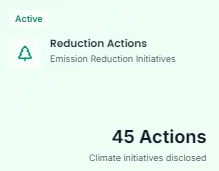
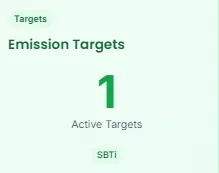
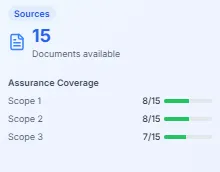
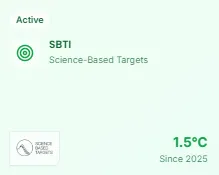
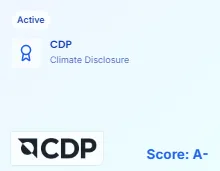
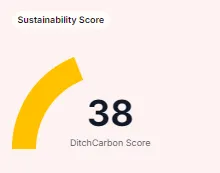
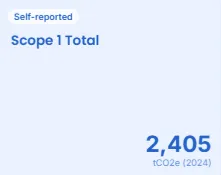
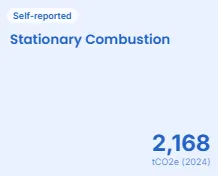
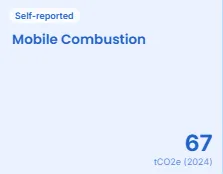
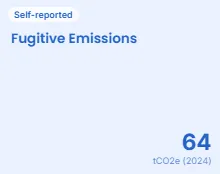
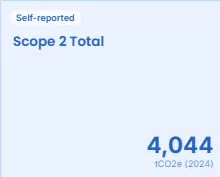
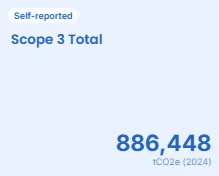
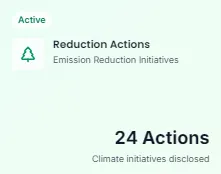
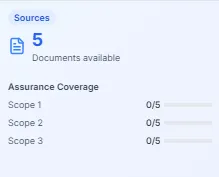
Open any of these organisations to see what DitchCarbon holds: Scope 1, 2 and 3 emissions, climate targets and whether the organisation is on track against them, whether the report was assured by a third party, and which initiatives it has joined. This is the same record a procurement or finance team works from on their own list.





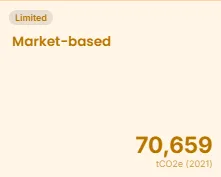
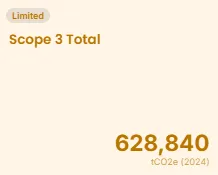
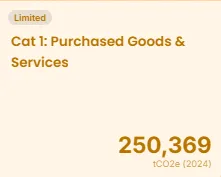
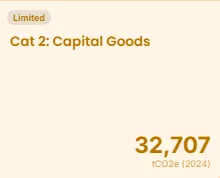


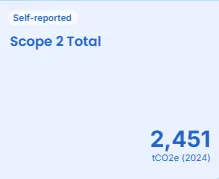
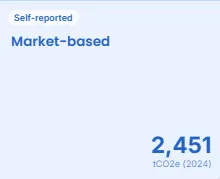
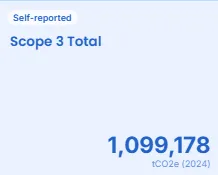
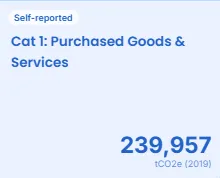
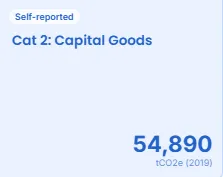
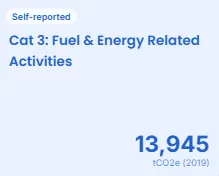
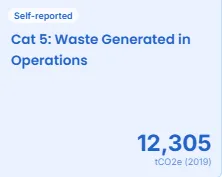
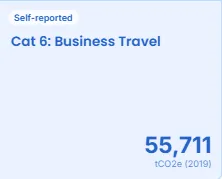
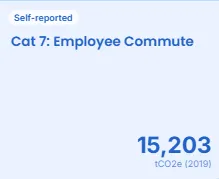
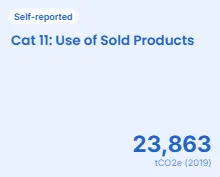
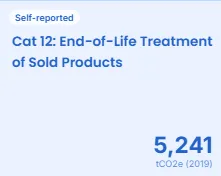
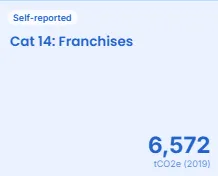
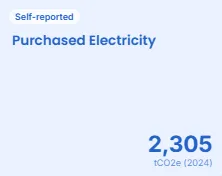
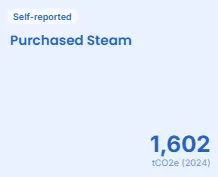
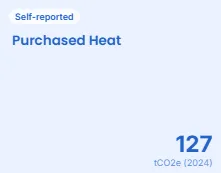
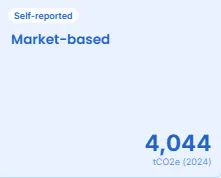

Ready to see what we hold on your own list?
Upload a supplier list or a portfolio and see the same records for your own organisations: emissions, climate targets and target progress, with the source behind every figure.
How does the data get from a disclosure to your baseline?

DitchCarbon matches the organisation first, using entity resolution against DUNS, LEI and ISIN identifiers, plus VAT numbers, company names and websites where those are what you hold. Matching runs against a tier-one global financial data provider, and parent and subsidiary relationships resolve to the right entity, so one supplier does not arrive as three records.
Emissions data arrives in different formats, units and category names. DitchCarbon standardises it against GHG Protocol criteria, converts figures to kgCO2e or kgCO2e per unit of spend, and maps local terminology to the correct scope. Anything that does not fit a standard category is flagged for manual review.
Validated data feeds reporting, benchmarking and decisions. You can open the audit trail behind any figure, compare an organisation against industry and location peers, and forecast against that organisation's own target trajectory using disclosure quality and reduction commitments.
How much of my supplier list will you already cover?
More than most teams expect, and the answer arrives fast. A recent deployment reached about 60% of a large supplier base within 2 weeks, starting from public data before any targeted outreach. This runs at production scale on supply chains of over 100,000 suppliers, and coverage gaps are shown rather than hidden, so you know which part of the baseline still needs work.
2M+
15
10




The DitchCarbon calculator is verified to ISO 14064-3, limited assurance, by UL Solutions, renewed annually, and the emission factor methodology was independently assessed by Globus Thenken in August 2025.


Frequently asked questions
Get answers to the questions procurement and sustainability teams ask most often.
Yes. Outreach uses a short template that states exactly what is in scope and what is out. Organisations can submit data in whatever format they already have, and we ingest it, check it, and pass it through to the systems you already run.
Light. A supplier can email a file or complete a short form with only an email address and the data to share, and we accept the formats they already have.
Yes. We collect PCFs in any format and grade them, including data quality, whether the figure sits in the expected range, and PACT alignment scored as fields present out of the full set.
Entity resolution against DUNS, LEI and ISIN identifiers, and we also accept company name, VAT number, website or email address. Matching runs against a tier-one global financial data provider, so parent and subsidiary relationships resolve to the right entity.
Extracted data is validated automatically against anomalies and historical patterns. Anything that fails goes to a team of 15 analysts before it enters the dataset.
Yes. Every figure is linked to its source, deep linked to the exact page, and shows the level of third-party assurance behind it. Every figure also carries its change history.
Numbers you can defend within 2 weeks. A recent deployment reached about 60% of a large supplier base within 2 weeks, starting from public data before any targeted outreach.
Yes. Private companies are where most supply chains and portfolios go dark, and they are covered in the same dataset as listed ones. Where a private company has disclosed nothing, the record says so rather than hiding the gap behind a generic figure.
One of four methods produces every figure: the organisation's own reported data, product data from a published carbon footprint, activity data from what was actually consumed, or industry data where nothing better exists. Industry data is fourth of four and used only where the first three could not be found. The method is a filterable column, so the share of your baseline still resting on a generic factor is a number you can read off.
That determination is your auditor's, and here is what we can tell you. DitchCarbon data has been used in emissions reports that were subsequently assured by ten different third-party assurance providers, including Big Four firms. The calculator itself is verified to ISO 14064-3 at limited assurance by UL Solutions, renewed annually. Both reports are downloadable from the trust centre.
In the financed emissions view, each counterparty carries a PCAF data quality score, usually shortened to a DQ score, so a DQ 1 or DQ 2 figure is distinguishable from a DQ 4 or DQ 5 one at the line level rather than across the portfolio. Counterparty emissions and target status sit in the same record, so a PCAF calculation can be evidenced line by line.
Yes, and it is free. Claim your profile, answer once, and every team that asks reads the same answer instead of sending you another form. Forward a buyer's survey by email or upload it and it joins a queue answered from your profile.
Check coverage on your own list
Upload a supplier list or a portfolio and see which organisations DitchCarbon already holds emissions data for, and which ones need work.
Being asked for your own emissions data? Claim your profile, answer once, and every team that asks reads the same answer.


.svg)