.svg)
Cost-Effective Sustainable Metal Strategies
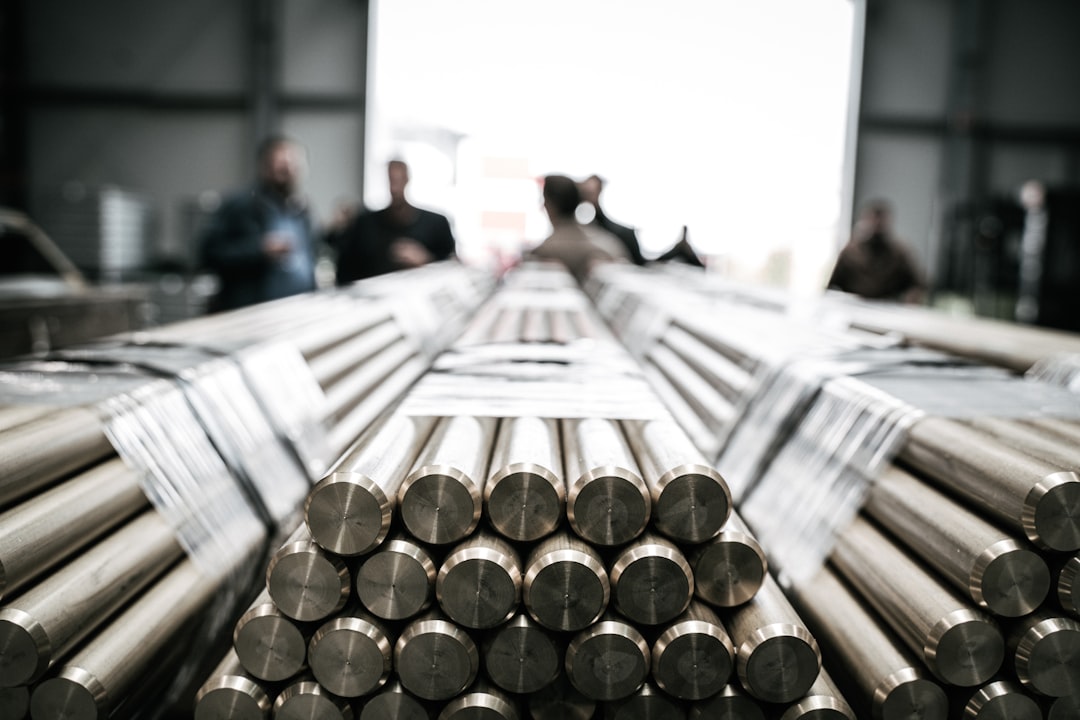
Metals and mining represent a huge slice of the Scope 3 emissions pie for any company making physical products. It's a classic hard-to-abate sector, and for sustainability and procurement teams, it often feels like an immovable object. You know it's a carbon hotspot, but the path to meaningful reduction seems impossibly complex and expensive.
The conversation is often dominated by the idea of a 'green premium'. You're told the solution is to buy 'green steel' or 'low-carbon aluminium', but these materials are either not available at the scale you need or come with a price tag that procurement teams simply cannot justify. The problem feels abstract, distant, and commercially unworkable, so it gets pushed to the 'too hard' pile for another year.
Why teams get stuck
The focus on a theoretical green premium is a trap. It frames decarbonisation as a simple purchasing decision: pay more for a better product. This immediately creates a conflict between sustainability goals and commercial reality. Procurement leaders are measured on cost savings and security of supply, not carbon reduction. When the only option presented is a costly one, the conversation stalls.
This leads to data paralysis. Teams spend months chasing suppliers for perfect, primary emissions data from smelters and mines thousands of miles away. The data that comes back is often inconsistent, uses different methodologies, or is incomplete. While the hunt for perfect data continues, no action is taken. The annual reporting cycle ends, a number is put in a spreadsheet, and the process repeats the following year without any underlying change.
There's also a perceived lack of leverage. Many companies feel they are a small fish in a very big pond. What influence can one buyer have on a multinational mining corporation? This leads to a sense of helplessness. The problem is so big and the suppliers are so powerful that it feels easier to focus on smaller, more manageable categories.
What good looks like
The most effective organisations sidestep the green premium trap entirely. They shift their focus from buying different materials to backing better suppliers. The central question changes from, "How can we afford green steel?" to, "Which of our existing steel suppliers are taking decarbonisation seriously, and how can we give them more of our business?"
This is a fundamentally different approach. It's not about finding a magic-bullet material, but about using commercial leverage to accelerate the transition within your current supply chain.
What good looks like is turning your procurement process into an engine for decarbonisation. It means rewarding the suppliers who are investing in cleaner production and creating a real commercial risk for those who are not.
For example, a large automotive supplier we know analysed its top ten aluminium suppliers. Instead of just sending another survey, they focused on their strategic roadmaps. They found three of the ten had clear, funded plans to switch their smelters to renewable energy sources. Two were vague, and the rest were silent. The company didn't switch suppliers overnight. Instead, they updated their sourcing strategy to allocate a greater share of future volume to the three progressive suppliers. They made it clear that a credible climate plan was now a key factor in their purchasing decisions. This sent a powerful signal without costing them a penny in premiums.
A practical playbook for action
Breaking the inertia doesn't require a huge budget or a perfect dataset. It requires a pragmatic, commercially-minded approach that links sustainability goals to procurement practices.
First, map your supply chain and prioritise. Don't try to engage every single supplier. Identify your top 20 metals and mining suppliers by spend. This is your critical list. Use the data you already have-public disclosures, annual reports, and industry benchmarks-to create a first-pass view of their emissions intensity. A good data platform can be invaluable here, helping to normalise messy information and quickly identify the suppliers that represent your biggest carbon hotspots.
Second, engage with a commercial lens. Move beyond generic questionnaires. For your prioritised list, ask for their decarbonisation roadmaps. Frame the request around long-term business resilience and partnership. You want to understand their capital investment plans, their technology choices, and their timelines. This is a strategic conversation, not a data-entry exercise.
Third, score and segment your suppliers. Based on the quality of their roadmaps, you can create a simple scorecard. Are they leaders with funded plans? Are they learners who are just getting started? Or are they laggards with no plan at all? This segmentation allows you to tailor your approach, offering collaboration to the leaders and applying commercial pressure to the laggards.
Finally, integrate this intelligence into your procurement process. Use the scorecard as a weighted element in your next tender. When a new contract is up for renewal, make decarbonisation performance a formal part of the evaluation. This connects the work of the sustainability team directly to the commercial decisions that shape your supply chain.
The best first step
If you do only one thing this quarter, make it this: identify your top ten suppliers in the metals category and ask them for their five-year decarbonisation roadmap.
This simple act cuts through the noise. It signals your intent, forces a strategic conversation, and gives you a tangible way to differentiate between suppliers. It moves you immediately from the passive act of reporting emissions to the active work of reducing them. Stop chasing perfect data and start asking better questions. That is how you solve for metals.