.svg)
Farmer Collaboration for Net-Zero Agriculture
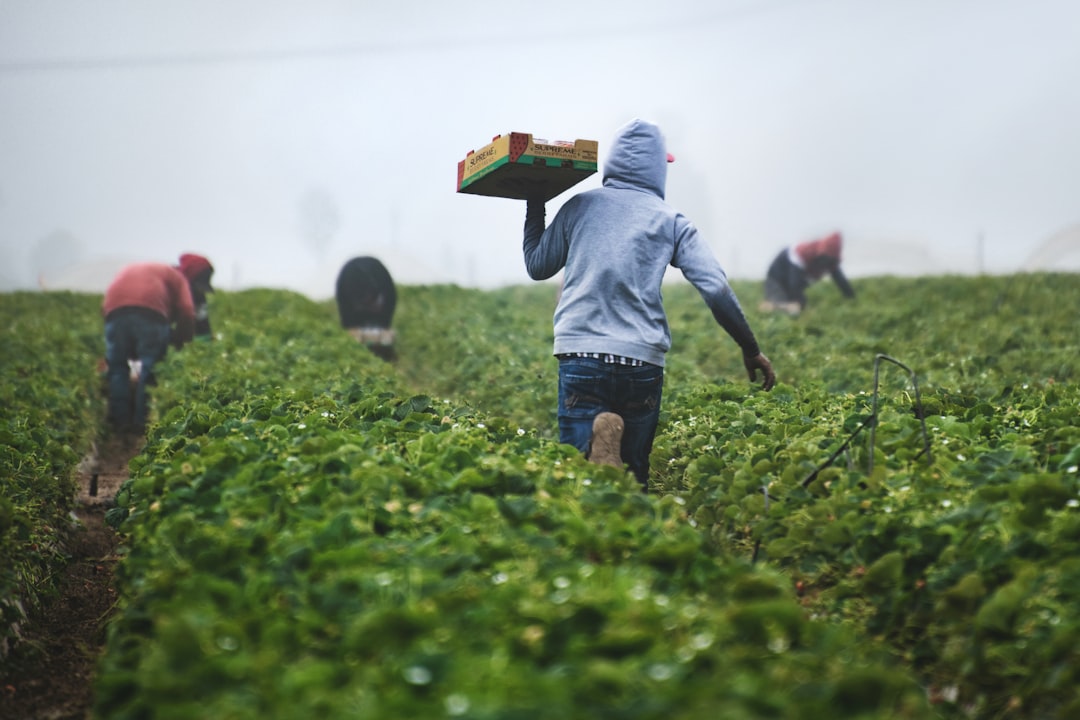
The Decarbonisation Challenge Hiding in Plain Sight
Your company has a net-zero target for 2030. A significant portion of your Scope 3 emissions comes from agriculture-the thousands of farms that produce the raw materials for your products. The board wants a credible reduction plan, but your team is staring at an immense, fragmented supply chain and wondering where on earth to begin.
The default response is to launch a massive data collection exercise. You design a survey, send it to thousands of farmers or their co-operatives, and wait. The responses that trickle back are patchy, inconsistent, and difficult to verify. You're left with a spreadsheet full of gaps and averages, no closer to a real action plan.
This isn't a failure of ambition. It's a failure of approach.
Why Agricultural Decarbonisation Stalls
Teams get stuck because they treat farming as a uniform monolith and data collection as the end goal. The reality is that a farm is a complex, low-margin business. A farmer's primary concerns are yield, soil health, and market prices-not filling out another corporate questionnaire.
This creates a fundamental disconnect. Sustainability teams, driven by reporting deadlines, chase data. Procurement teams, driven by cost and quality, negotiate contracts. Meanwhile, the farmers who hold the key to land-based solutions are left dealing with conflicting signals and administrative burdens.
The pursuit of perfect, farm-level data from every single supplier is a recipe for paralysis. It mistakes measurement for management and delays the real work of reduction.
Progress stalls because the approach is backwards. Instead of starting with a demand for data, we need to start with a commercial proposition for change, supported by a clear understanding of who to talk to first.
What a Credible Plan Looks Like
Effective agricultural decarbonisation isn't about having a perfect emissions factor for every hectare. It's about prioritisation and partnership.
Imagine a large food manufacturer. Instead of surveying all 5,000 of its grain suppliers, it first identifies that 80% of its grain-related emissions come from just 30 large co-operatives. The conversation changes immediately. The sustainability team is no longer chasing thousands of individuals; it's building strategic relationships with a few dozen key partners.
The focus shifts from "What are your emissions?" to "What would it take for us to co-invest in lower-carbon practices?" The dialogue becomes commercial. It might involve offering longer-term contracts for farmers who adopt regenerative techniques, or funding a pilot project for low-methane feed supplements in a dairy co-operative.
Action is targeted. Investment is focused. The outcome is a measurable reduction in emissions, not just a more detailed spreadsheet.
A Practical Playbook for Action
Moving from reporting paralysis to genuine progress requires a shift in mindset and a practical, commercially-grounded plan.
1. Map Your Hotspots, Not Your Entire Universe
Before you engage anyone, understand where your impact lies. Use your spend data and reliable industry factors to identify the handful of commodities and suppliers driving the majority of your agricultural emissions. This is where modern platforms provide a crucial advantage, helping to cut through messy procurement data and quickly surface the relationships that truly matter. It turns an academic exercise into a commercially-focused priority list.
2. Align Sustainability with Procurement
Get your Chief Procurement Officer and Head of Sustainability in the same room. The goal is to translate climate targets into commercial levers. Can you build emissions performance into your sourcing scorecards? Can you create a preferred supplier programme that rewards decarbonisation efforts with better terms or larger orders? Without this internal alignment, any supplier engagement programme is destined to fail.
3. Co-Design Solutions with Key Suppliers
Armed with a prioritised list and internal alignment, approach your key agricultural partners-the large farms, the co-operatives, the aggregators. Forget the generic survey. Start a strategic conversation. Ask them what barriers they face to adopting lower-carbon practices. Is it access to capital, technical expertise, or market certainty? Co-design pilot projects that address their commercial realities while meeting your climate goals.
4. Pilot, Prove, and Scale
You cannot transform your entire supply chain overnight. Pick one high-impact commodity or region and launch a focused pilot. Measure everything-the emissions reduction, the impact on yield, the cost implications, and the supplier feedback. Use the results to build a powerful business case. Proving the commercial and environmental ROI in one area is the fastest way to secure the investment and buy-in needed to scale the initiative across your supply chain.
Your Best First Step This Quarter
If you do only one thing in the next three months, do this: sit down with your procurement team and agree on the top 20 agricultural suppliers you need to have a different kind of conversation with.
Don't send them a survey. Invite them to a workshop. Don't ask for their data. Ask for their partnership. Stop reporting on the problem and start building the commercial relationships that will actually solve it. That is the first step to creating real, land-based change.