.svg)
Managing Scope 3 Category 11: The Downstream Dilemma
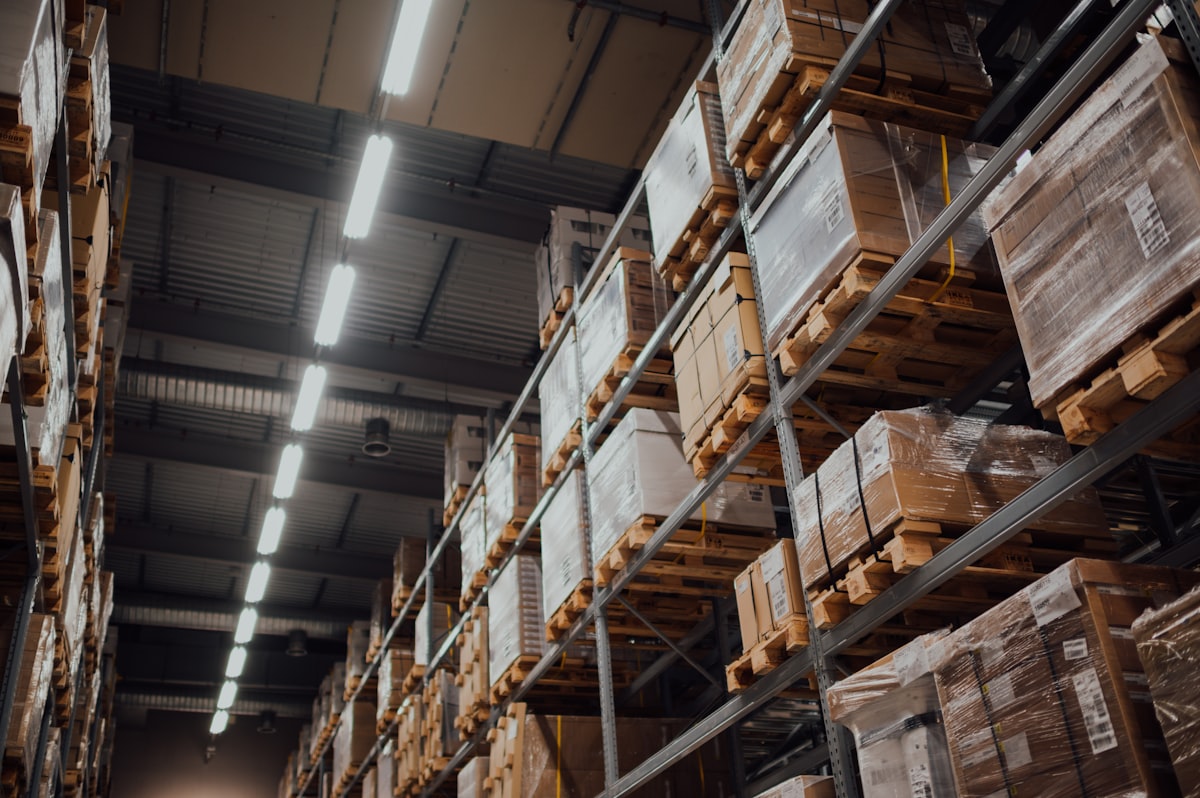
The Weight of Your Downstream Footprint
For many industrial and technology companies, the biggest source of emissions isn't in the supply chain-it's in how their products are used. This is Scope 3 Category 11: Use of Sold Products. It's the downstream dilemma where your climate impact is determined by your customers' behaviour.
Consider a global engineering company like ABB, where this single category can represent over 95% of the total carbon footprint. When your downstream emissions dwarf your upstream activities, the traditional playbook of supplier engagement is not enough. You are no longer just managing suppliers; you are influencing the decarbonisation path of entire industries and national grids.
Beyond the Spreadsheet: The Search for Automated Truth
The core challenge with Category 11 is data fatigue. Many sustainability teams in decentralised businesses face the same frustrating cycle: trying to gather energy data from thousands of customers by sending out endless surveys. It's inefficient and often unnecessary.
If a major customer has already published its renewable energy transition plan, why are we asking them to fill in another spreadsheet? It wastes their time and ours. The industry is shifting away from manual collection towards automated entity resolution-using publicly available data from climate targets, RE100 commitments, and annual reports to build a defensible, audit-ready picture of your downstream impact.
As EFRAG noted, sustainability reporting should be "directly connected to management reporting systems enabling reporting entities to better understand, manage and demonstrate their sustainability performance."
Key Levers for Downstream Reduction
If you can't control your customer's energy choices directly, how can you reduce Category 11 emissions? The strategy rests on two main drivers:
- Customer Energy Profiles: To achieve genuine accuracy, you need to know which customers are leading or lagging on renewables. If your top ten customers switch to 100% wind power, your Category 11 emissions fall significantly, even if your product's energy consumption stays the same.
- Product Efficiency and Longevity: For products with a long lifespan, improving energy efficiency is a powerful lever for reduction. The more efficient your product, the lower its lifetime emissions, regardless of the energy source.
Tracking these variables across a vast customer base is an administrative nightmare. This is where automation becomes essential. By tracking customer climate maturity and renewable energy adoption at scale, you can stop guessing your downstream impact and start calculating it based on real-world commitments.
Navigating the Complexities of Modern Reporting
Pressure is mounting from the SBTi and regulators like the CSRD to deliver granular, defensible data. The era of relying on industry averages applied to spend, secondary data, is over, especially for your most significant emissions categories. Your own or your supplier's factor applied to the same spend is primary data.
Regulators want to see a clear understanding of your methodology, its coverage, and its limitations. When Category 11 is your largest category, you cannot afford a knowledge gap regarding customer behaviour. You need a centralised data layer that provides a single source of truth for your entire organisation.
Making Downstream Decarbonisation Practical
So, what does this look like in practice? Here are three steps to get started:
- Audit your data sources: Are you still using outdated industry averages for customer energy use? Industry averages are secondary data; customer-reported or activity data is primary. It's time to move to entity-specific, verified data.
- Align internal stakeholders: Use data to show product and commercial teams that sustainability is a roadmap for innovation and customer engagement, not just a cost.
- Leverage automation: Instead of manually scraping PDFs and websites, use platforms like Ditch Carbon to do the heavy lifting of identifying which customers have net-zero targets and which do not.
The downstream dilemma is a significant challenge, but it is manageable. By focusing on the climate maturity of your customers and the real-world energy they use, you can turn an emissions mountain into a clear roadmap for strategic decarbonisation.