.svg)
Stop Chasing Emissions Data, Start Reducing It
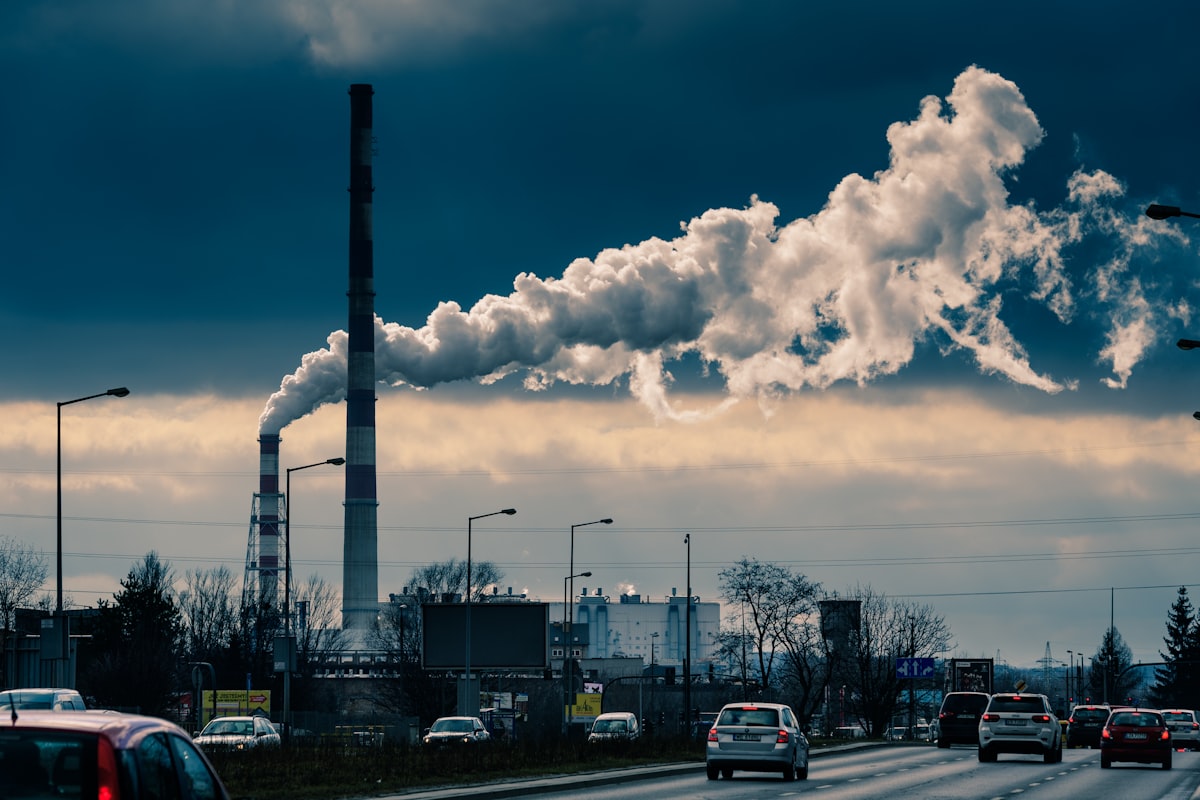
The Reporting Season Treadmill
Every reporting period, the same cycle begins. Well-intentioned sustainability goals are sidelined by the urgent, frantic scramble for Scope 3 emissions data. Teams spend countless hours chasing suppliers, navigating inconsistent spreadsheets, and trying to fill information gaps. The objective is to demonstrate progress, but the reality feels more like drowning in data collection than driving actual decarbonisation.
This frustration is widespread. For organisations with SBTi commitments and annual disclosure requirements, the pressure to deliver accurate Scope 3 insights is immense. The challenge isn't a lack of ambition; it's the sheer manual effort required to gather usable, audit-ready data from a complex value chain.
The Core Challenge: Supplier Data Gaps
One of the biggest hurdles is the inconsistent nature of supplier data. While some large suppliers provide granular, primary data, many smaller entities offer little more than industry averages-or nothing at all. This creates a patchwork of data quality that makes comprehensive Scope 3 accounting a monumental task.
The problem goes beyond the initial calculation. It's about operationalising Scope 3 insights across procurement, product design, and reporting. Without a consistent governance structure, scaling primary data collection is nearly impossible, especially when dealing with thousands of suppliers and a constantly evolving supply chain. A global manufacturer needs to connect supplier emissions to product Bills of Material (BOMs) for accurate Life Cycle Assessments (LCAs). A financial firm needs reliable carbon intensity data from its portfolio companies. In both cases, the question is the same: how do you turn disparate data points into actionable business intelligence?
From Data Chasing to Decarbonisation Strategy
The core issue is simple: the effort spent collecting and validating data consumes the very resources needed for reduction strategies. A World Economic Forum report highlighted that value chain emissions account for 65 to 95% of a typical company's carbon footprint. This is a global challenge that cannot be solved with spreadsheets and manual follow-ups.
We need to shift our focus from being data chasers to strategic decarbonisers. Imagine a world where the bulk of your primary emissions data collection is automated. What could your team achieve with that time back?
- Focus on high-impact interventions: Instead of spending weeks gathering data, you could immediately analyse it to pinpoint emission hotspots and collaborate with key suppliers on meaningful reduction projects.
- Integrate data into decision-making: With timely, reliable data, procurement teams can make greener purchasing choices, and leadership can set more ambitious, achievable reduction targets.
- Enhance verification and trust: Better data enables more robust auditing, building credibility with investors, customers, and regulators who demand defendable disclosures.
The Power of an Automated Data Backbone
The solution lies in building a repeatable, intelligent data backbone. Instead of sending generic surveys that ask for information already in the public domain, a smarter system can first gather public disclosures from your entire supply chain. It then intelligently identifies the remaining gaps and sends targeted, minimal requests for only the specific data points that are missing.
This is where platforms like Ditch Carbon provide a clear pathway forward. By automating the collection of primary emissions data, they dramatically reduce the wasted effort of chasing suppliers. This approach frees up your team to:
- Prioritise engagement: A clear picture of data gaps shows you exactly which suppliers need support or deeper collaboration.
- Move to reduction: Instead of dedicating most of the year to data collection, you can focus your energy on implementing decarbonisation initiatives.
- Build a defensible dataset: Automation standardises data formats and ensures consistency, providing a credible, audit-ready dataset that stands up to scrutiny.
By breaking free from the data collection treadmill, you can finally shift your resources from reporting on the past to actively shaping a lower-carbon future.