.svg)
Supplier Engagement For Decarbonization Roadmaps

CEO

Howden manages Scope 3 PG&S emissions across 55 countries with DitchCarbon.
.webp)
Many organisations are stuck in a cycle of supplier engagement that produces data, but no clear decarbonisation plan. A year is spent chasing responses to a survey, compiling the results into a vast spreadsheet, and presenting a report. The board then asks the logical next question: "So, what is the plan to reduce these emissions?" All too often, the answer is a vague commitment to engage suppliers further. The process generates activity and numbers, but it doesn't create a credible, actionable roadmap.
This isn't a failure of intent. Sustainability and procurement teams are working harder than ever. The problem is that they are often solving for the wrong thing. The goal becomes collecting data for a report, rather than gathering intelligence for action. When the primary objective is a high survey response rate, teams treat every supplier the same. They spend as much time chasing a small, low-impact supplier as they do engaging a strategic partner responsible for a huge portion of their footprint. The result is a mountain of messy, inconsistent data that is difficult to interpret and even harder to act upon. You are left drowning in information but starved of a clear pathway.
From reporting to reduction
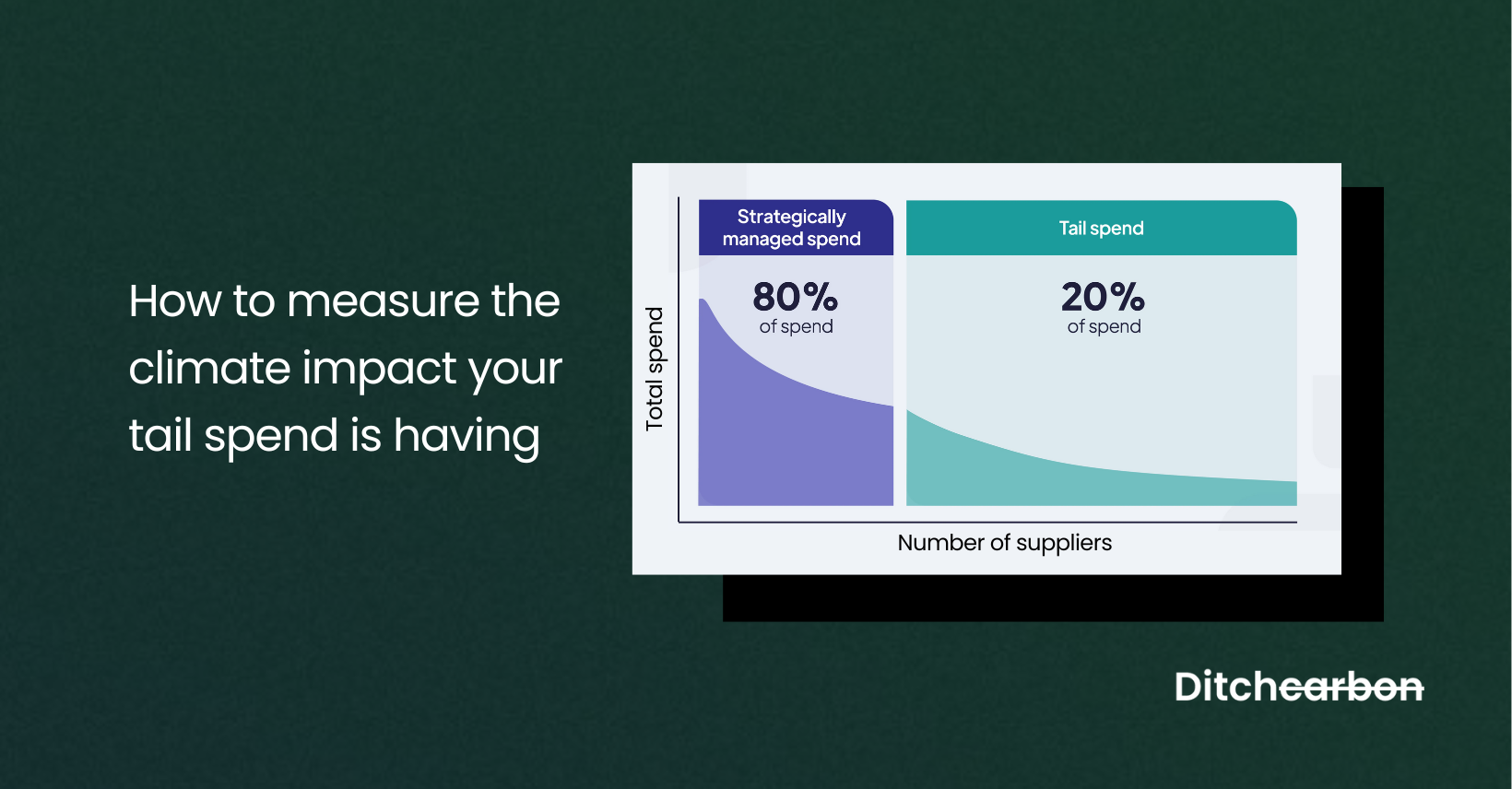
Moving from this cycle to a genuine reduction strategy requires a fundamental shift in mindset. A successful programme isn't defined by a 100% survey completion rate. It is defined by its ability to identify the 20% of suppliers that drive 80% of the emissions and then focus engagement where it matters most.
Good looks like having a single, trusted view of your supply chain emissions, combining verified data from suppliers with high-quality public sources. It means knowing your hotspots not just by spend, but by actual emissions intensity. It means procurement teams see a simple emissions signal during the sourcing process, allowing them to make smarter decisions before a purchase order is raised. Instead of an annual, backward-looking report, you have a live, forward-looking plan that shows your trajectory towards your 2030 targets.
A great programme turns supplier engagement from an administrative burden into a strategic advantage, strengthening relationships and building a more resilient, lower-carbon supply chain.
For example, a large manufacturer we know was focusing its engagement on its top 50 suppliers by spend, assuming they were the biggest problem. After enriching their data, they discovered that a mid-tier supplier of a specific chemical precursor was their single largest emissions hotspot, despite being only 37th on their spend list. By shifting their focus to helping that one supplier adopt a cleaner production method, they achieved a bigger reduction in six months than they had in the previous two years of broad-based surveying.
A practical playbook for action
Transitioning from data collection to active decarbonisation does not require you to start from scratch. It requires a change in approach.
First, segment your suppliers. Stop treating them as one homogenous group. Use a combination of spend data and emissions modelling to create an initial ranking of your highest-impact suppliers. A good platform can help automate this, interpreting messy data and flagging the real hotspots. This allows you to focus your limited time and resources on the relationships that will actually move the needle.
Second, change the conversation. Instead of just asking for a number, ask suppliers about their reduction targets, the initiatives they have underway, and what support they need from you. Frame it as a partnership. Share data back with them, showing how they compare to their peers. This kind of benchmarking is a powerful motivator and turns a simple data request into a valuable, collaborative discussion.
Third, empower your procurement team. Your buyers make decisions every day that lock in emissions for years to come. Give them the tools and data they need to factor carbon into their decisions alongside cost, quality, and risk. This doesn't need to be complicated. A simple scorecard or rating can provide the at-a-glance insight needed to steer choices towards lower-carbon options without slowing down the procurement process.
The best first step to take this quarter
If you do just one thing differently in the next three months, do this: pause your mass-survey campaigns. Take your top 100 suppliers by spend and focus exclusively on building a complete, verified emissions profile for just them. Use existing public disclosures and targeted, high-touch engagement to get a credible number for each one. From that group, identify your true top 20 hotspots.
This concentrated effort will give you a far more powerful foundation for a reduction plan than a low-quality dataset from thousands of suppliers. It will build momentum and deliver a tangible result you can share with your leadership, proving you are moving from measurement to management.
Ultimately, a perfect emissions report is useless if it sits on a shelf. An imperfect but actionable plan that engages your key partners is the only way to make real progress. It is time to stop chasing data and start driving decarbonisation.
Recent posts



Join the industry leaders and solve your Scope 3 emissions data challenge
See how DitchCarbon can transform your sustainability journey with auditable insights and verified data.