Australia's Productivity Commission says Scope 3 reporting should be streamlined
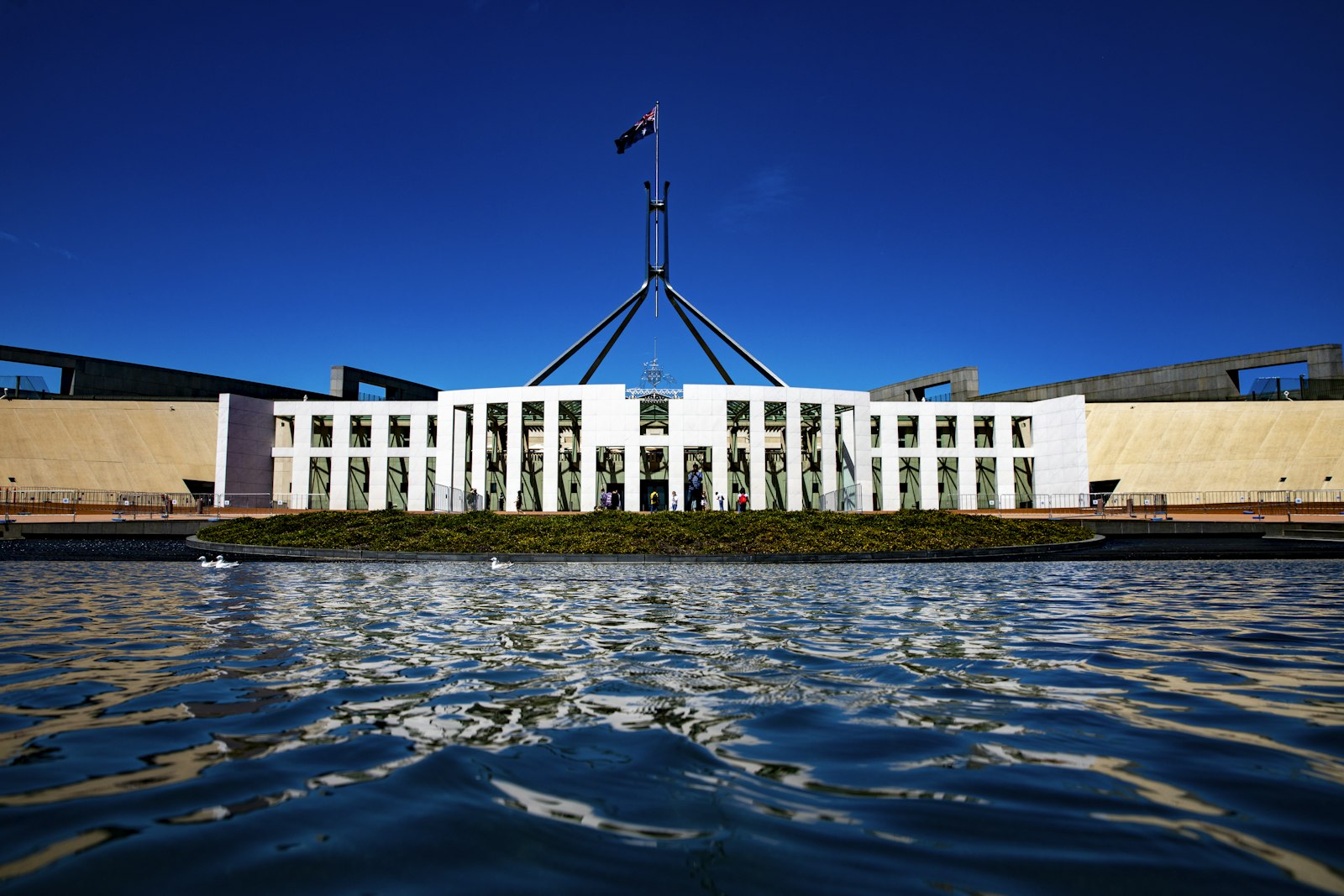
Australia's Productivity Commission published an interim report on business reporting requirements on 19 November 2026. It says Scope 3 emissions reporting should be streamlined to cut costs for suppliers, and that medium-sized Group 3 entities should not be brought into mandatory climate reporting as scheduled in 2027.
What did the Productivity Commission recommend on Scope 3?
The Commission recommends streamlining Scope 3 reporting by "promoting proportionate and standardised approaches to value-chain data collection". Its reform direction 3.2 lists five changes: an expectation that reporting entities use estimates, secondary data or industry averages where adequate; clearer guidance on when they can rely on estimates; standardisation of the common information requested from suppliers; approaches that let suppliers calculate relevant information once and reuse it for multiple customers; and a proportionate focus on commercially material Scope 3 risks.
Behind this sits interim finding 3.1, that Scope 3 reporting "can impose costs on businesses, disproportionate to the goals of the policy, that are not themselves subject to mandatory sustainability reporting". The report notes that AASB S2 already permits estimation and asks reporting entities to use reasonable and supportable information available without undue cost or effort. Information request 3.2 asks what it costs to estimate Scope 3 emissions, or to establish that they are not material, when an entity relies on estimates in place of direct measurement.
What does the report mean for suppliers?
Suppliers are the businesses the Commission wants to shield from cost. The report describes them as facing "sometimes onerous information requests" and says regulators should make clear that reporting entities are expected to use reasonable estimates and existing data where these are adequate. Standardised requests and a calculate-once, reuse-many model would let a supplier answer the same questions once for several customers, which speaks directly to supplier survey fatigue. The open question for reporting entities is where industry averages stop being adequate; research on that point is covered in our post on sector averages in the Toyota supply chain.
What happens to Group 3 reporting?
The Commission's preliminary view is that the government should not extend reporting requirements to Group 3 firms "as scheduled for 2027". If the government does extend them, the Commission says it should first check that the size thresholds identify entities whose disclosures are likely to be useful. The report notes that the government announced in the Budget that it would lift the Group 3 turnover threshold from $50 million to $100 million. Reporting has already started for the larger Group 1 and Group 2 entities.
The report also calls for better interoperability between sustainability reporting and the National Greenhouse and Energy Reporting (NGER) scheme, including a way to bridge NGER data to different reporting periods and reliance on existing NGER assurance work.
How have politicians responded?
The opposition seized on the report the next day. In a media release on 20 November, Senator Jane Hume and Senator Matt Canavan called on Labor to back the Liberal and National Bill to scrap mandatory Scope 3 emissions reporting. Hume said the Bill "is in the Senate and could pass next week". Canavan said the requirements "cascade through supply chains, forcing smaller businesses to provide complex emissions information". The Commission's inquiry was requested by Treasurer Jim Chalmers as part of his push to lift productivity.
What happens next?
Submissions on the interim report close on 18 December 2026, and the Commission is holding a public webinar on 27 November 2026. The final report is due to the government in February 2027. The report is interim, so its reform directions do not change Australia's climate reporting rules on their own.
Sources
- Productivity Commission: Business reporting requirements, interim report (19 November 2026)
- Productivity Commission: interim report PDF
- Liberal Party of Australia: Productivity Commission calls for Labor to back Liberals and Nationals Bill on Scope 3 (20 November 2026)
- AAP via Yahoo News Australia: Call to wind back reporting to ease business red tape (19 November 2026)